Tag Archive for: flood damage

Restoring customer-facing spaces after fire or flood damage is our speciality. It’s not just about fixing the problem. It’s about how quickly you can reopen, how the space looks, and what customers see when they return.

Fire or flood damage rarely remains isolated. Water spreads, smoke lingers, and surfaces can become stained. Even if the visible damage appears limited, its impact on appearance and safety can be broader than anticipated.

Why First Impressions Matter More After Damage

Customers notice changes right away. A lingering odour, a stained ceiling, or damaged flooring can diminish trust. Even minor signs of damage can raise concerns about safety and standards.

In retail, hospitality, and healthcare environments, presentation is directly linked to customer confidence.

The Challenges of Restoring Public Spaces

Restoring customer-facing areas involves more than just basic repairs. You need to ensure:

  • A clean, safe environment
  • No visible signs of damage
  • Minimal disruption to operation
  • A swift return to normalcy

Achieving this balance can be challenging, especially when damage extends beyond what is initially visible.

Why Speed and Quality Both Matter

Acting quickly helps limit further damage, while performing repairs correctly ensures satisfactory results. Rushing repairs without adequate drying or cleaning can lead to:

  • Lingering odours from smoke or dampness
  • Stains that resurface
  • Hidden moisture that can cause mould

Restoration must address both the visible aspects for customers and the hidden issues beneath the surface.

Getting Back to Business

Professional restoration focuses on returning spaces to a safe and presentable condition as quickly as possible. This process includes cleaning, drying, deodorising, and repairing the affected areas.

ServiceMaster Restore collaborates with businesses across the UK to restore customer-facing environments after fire or flood damage. Our teams act quickly and prioritise both safety and presentation.

If your premises have been affected, call 0800 021 3970, or find your nearest ServiceMaster Restore business to learn how we can assist you. When damage occurs in customer-facing spaces, the urgency to address it is immediate. It’s not just about fixing the issue; it’s also about how quickly you can reopen, the space’s appearance, and what customers will notice when they return.
Have you had a flood in your home? The key is safety first. Cleaning and restoration come later.

Flooding can be frightening. It often occurs suddenly, with little warning, transforming everyday spaces into dangerous areas. Whether the water arises from heavy rain, a burst pipe, or rising groundwater, understanding how to respond during and after a flood is essential for protecting yourself, your family, and your home.


What to Do During a Flood

If flooding occurs while you are at home, take careful action and avoid unnecessary risks.

Put your safety first

If water levels rise quickly, leave the property if advised to do so. Avoid walking through floodwater. It can hide sharp objects, open drains, or electrical hazards.

Turn off utilities if it is safe

If you can reach them safely, turn off electricity, gas, and water at the mains. Do not touch switches or appliances if water is present.

Move valuables to higher ground

If time allows, move important items upstairs or onto raised surfaces. Focus on essentials like documents, medication, and electronics.

Avoid driving through floodwater

Even shallow water can stall a car or sweep it away. Stay put unless authorities advise otherwise.


What to Do Immediately After a Flood

Once the water recedes, the risk is not over; many hazards still remain.

Do not rush back in

Only re-enter your home when it is declared safe. Floodwater can weaken floors and walls.

Ventilate the property carefully

Open windows and doors briefly to let in fresh air, but avoid leaving them open for long periods in cold weather. Sudden temperature changes increase condensation.

Document the damage

Take photos and videos of all affected areas before moving or cleaning anything. This helps with insurance claims later.

Do not switch electrics back on

Have a qualified electrician check systems before restoring power.

Know your insurance policy

Make sure you know what your insurance policy covers. Always contact your insurance company first before contacting us, then prompt them on the phone that you’d like to use ServiceMaster Restore.


How to Reduce Further Damage

Taking quick action is crucial to prevent the spread of flood damage.

Remove standing water quickly

The longer water sits, the more damage it causes. Floors, plaster, and insulation absorb moisture fast.

Do not attempt deep cleaning too soon

Scrubbing before proper drying can push moisture deeper into materials, encouraging mould growth.

Dispose of contaminated items safely

Floodwater often contains sewage and bacteria. Soft furnishings, carpets, and mattresses may need professional assessment before reuse.


Why Professional Drying Matters

Flood damage is often not just visible on the surface. Water can move under floors, behind walls, and into insulation. During winter, drying takes longer, and moisture remains trapped.

Without adequate drying, mould can develop within days, posing health risks and increasing repair costs.

Professional restoration teams use specialised equipment to detect hidden moisture, control drying, and prevent secondary damage.


Getting Help After a Flood

Flooding impacts more than just your home; it disrupts routines, causes stress, and creates uncertainty. Acting quickly can help restore normalcy sooner.

ServiceMaster Restore offers flood damage restoration services for homes across the UK. Our teams evaluate the damage, perform controlled drying, and guide you through the recovery process step by step.

If your home has been affected by flooding, call 0800 021 3970, or find your nearest ServiceMaster Restore business to see how we can help today.

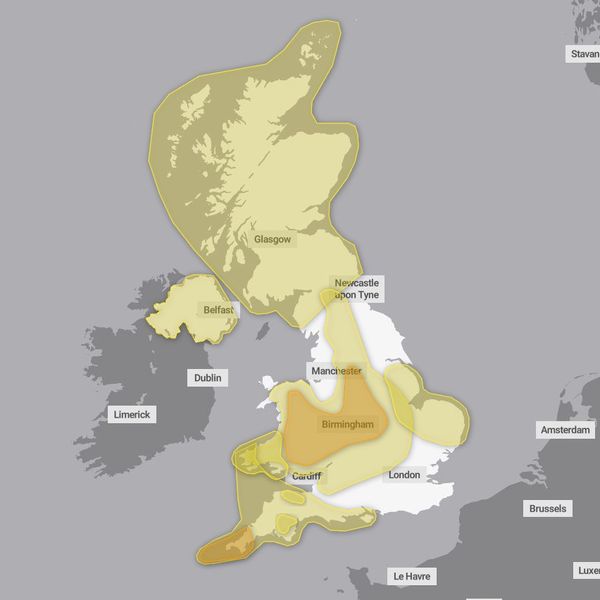
Storm Goretti is expected to bring severe winter weather to large parts of the UK, with amber warnings in place across several regions. Falling temperatures, heavy snow, and widespread ice raise risks to people, property, and travel. Preparing now helps reduce disruption and damage.

What to expect from Storm Goretti

Temperatures continue to fall across central and eastern England. Storm Goretti is forecast to bring heavy snow from Thursday night into Friday. Many amber warning areas may see 5 to 10cm of snowfall, with up to 20cm possible on higher ground.

The Met Office cautions about icy conditions on untreated roads, pavements, and cycle paths. Slips, falls, and vehicle accidents are more likely. Travel delays are anticipated across road and rail networks, with possible disruptions to public transport and power outages.

Overnight temperatures have already dropped below -10°C in some parts of the country. Prolonged cold weather increases the risk of frozen pipes, burst plumbing, roof leaks, and internal flooding. When thawing begins, water can spread rapidly through floors, walls, and ceilings if damage goes unnoticed.

Saturday is expected to remain cold but mainly dry, with wintry showers along the northern coasts. Milder air should arrive from Sunday. The UK Health Security Agency has extended amber cold health alerts across England until 11 January due to ongoing risks.

A weather warning map for 8 January. Pic: Met Office

A weather warning map for 8 January. Reference: Met Office

How to stay safe during Storm Goretti

Simple steps can help protect you and your property during harsh winter weather.

  • Avoid unnecessary travel during amber warnings. Check conditions before leaving and allow extra time.
  • Wear footwear with good grip to minimise the risk of slipping on ice.
  • Keep entrances, pathways, and steps clear. Use salt or grit where feasible.
  • Protect your pipes by insulating exposed sections and keeping the heating on at a low setting during freezing temperatures.
  • Know the location of your stopcock so you can turn off the water quickly if a pipe bursts.
  • Check roofs and gutters when it is safe. Snow accumulation and blocked drainage increase the risk of leaks during thawing.
  • Watch for signs of dampness indoors. Cold and moisture provide the perfect conditions for mould to grow.

How ServiceMaster Restore can help

ServiceMaster Restore supports homes and businesses affected by severe weather. Our teams specialise in flood damage restoration, water damage recovery, and mould removal and remediation. We respond quickly to prevent further damage, dry affected areas, and restore properties safely after storms, flood and water damage.

If Storm Goretti causes water ingress, burst pipes, or mould issues in your property, early action reduces repair time and cost.

ServiceMaster Restore is ready to help when winter weather takes its toll. Call us today on 0800 0213970.

Discover the impacts of contaminated water and learn how to safeguard your home and family with this guide from the experts at ServiceMaster Restore UK.

Water damage can be a devastating and hazardous experience for homeowners, whether it is confined to the basement or spreads throughout the entire house.

It’s essential to understand the various types of contaminated water and their potential effects on your family’s health.

What is contaminated water?

According to Environment Law, water can be contaminated by:

  • Agricultural pollution
  • Sewage and wastewater
  • Oil pollution
  • Radioactive substances
  • River and marine dumping

What threats does contaminated water pose?

Contaminated water poses a serious threat to your health and property.

After water damage, using the proper methods to clean and disinfect every area of your home is essential.

Since water damage can come from a variety of sources, the cleanup procedures and safety protocols used will vary.

For example, restoring a home damaged by a broken pipe or an overflowing sink will differ from restoring one impacted by severe flood damage.

The types

Water damage, ranging from roof leaks to severe flooding, is a common issue many homeowners face and can be quite destructive.

There are three main types of water damage:

Category 1 – Clean water

Water damage classified as Category 1 originates from clean and sanitary sources, such as:

  • Broken water supply lines
  • Bathtubs or
  • Sink overflows

Although Category 1 water is generally harmless to humans and pets, it can still cause a potential risk to your home.

If left untreated, Category 1 water may cause toxic mould growth within 24 to 48 hours.

Mould can cause a significant amount of damage to the structure of your home, your health and your belongings.

Category 2 – Grey Water

Category 2 water contamination includes chemical, biological, and physical contaminants.

This type of water has not come into contact with faecal matter. However, it may still contain other harmful substances that could cause illness if ingested.

If these contaminants are not removed, Category 2 water can be reclassified as Category 3 within as little as 48 hours.

Category 3 – Black Water

Category 3 water contamination is the most unsanitary and dangerous type. It can originate from raw sewage or natural disasters such as floods.

This type of water is a breeding ground for bacteria, pathogens, and other organisms that can cause disease.

Due to the hazardous nature of this contamination, porous materials like drywall, upholstery, and carpets become completely unsalvageable.

Risks to your home

If you have contaminated water in your home, it is crucial to begin cleanup and restoration immediately to minimise damage.

Unfortunately, most items that come into contact with Category 3 water must be removed due to the risk of harmful bacteria.

Protect your home against contaminated water damage

From a burst pipe to extreme weather, we’ll handle flood & water damage quickly and effectively, 24/7, 365 days a year.

By sorting the incident quickly, we’ll minimise any disruption to your business and keep the damage low, saving you time, money and hassle in the long run.

We also offer leak detection services to help you spot and prevent water damage before it occurs.

To learn more about how we can help restore your property, call us direct on 0845 762 6828 or find your nearest ServiceMaster Restore business today.