Tag Archive for: storm

The wind dies down. The rain stops, and everything seems normal. Then, two days later, a brown mark appears on the ceiling.

Or you notice a damp smell upstairs. The paint starts to bubble. A patch of plaster suddenly feels cold and wet.

Storm damage doesn’t always show itself during the storm.

Wind and heavy rain can cause small defects in roofs, gutters, windows, and building materials, allowing water to seep in slowly. Moisture can then travel behind walls, beneath floors, and through insulation before any obvious signs appear inside the property.

That’s why the days after severe weather can be just as important as the storm itself.

Storm Damage Is Not Always Immediately Visible

Severe weather can damage a property without leaving an obvious hole in the roof or flooding the ground floor.

Strong winds may lift a roof tile slightly without removing it altogether. Flashing around a chimney can shift, guttering can come loose, and window sealant may fail.

From ground level, everything may still look relatively normal.

The damage often becomes apparent when rain enters the weakened area and starts spreading through the building.

The latest English Housing Survey found that households in around 4.2 million dwellings reported moisture damage after a storm in 2024. Homes with roofs already in disrepair were particularly vulnerable.

Why Roof Leaks Can Take Time to Appear

Water rarely follows a straight path.

Rain that enters through a damaged tile or flashing can travel along roof timbers, insulation and other structural materials before reaching the ceiling below.

So, a damp patch in a bedroom may not be directly beneath the point where the water got in.

You might first notice:

  • Brown or yellow marks on ceilings
  • Damp patches on walls
  • Bubbling or peeling paint
  • Swollen plasterboard
  • A musty smell in the loft or upstairs rooms
  • Drips appearing during later rainfall

A property may look unaffected right after a storm, even as water moves through hidden areas.

A Small Roof Problem Can Become a Water Damage Problem

The initial storm damage may be relatively minor, but what happens next can make all the difference.

If rain continues to enter through a damaged roof, nearby materials start absorbing moisture. Insulation can become saturated, timber can stay damp, and plasterboard may weaken.

Water can also seep into wall cavities or beneath flooring. By the time you see visible signs, the affected area may be larger than expected.

That’s why repairing the roof alone may not solve the entire problem.

Stopping the water from getting in is essential. You also need to find out where it has already travelled.

Gutters and Drainage Can Create Delayed Problems Too

Storms bring leaves, branches, and other debris, which can block gutters, downpipes, and external drains, and heavy rain can put them under even greater pressure.

A blocked gutter may not cause visible damage straight away. But during the next period of rain, water can overflow and repeatedly run down exterior walls.

Over time, this can contribute to penetrating damp and water entering around windows, roofs or other vulnerable points.

Loose guttering can cause similar problems.

After severe weather, check from a safe position whether gutters appear damaged, displaced or blocked.

Do not attempt roof repairs while conditions remain dangerous, or climb onto a roof without the appropriate equipment and expertise. Government storm guidance recommends waiting until conditions are safe before arranging repairs.

Hidden Moisture Can Remain After the Surface Looks Dry

One of the biggest challenges with water damage is that appearances can be misleading.

A wall may feel dry on the surface, even while moisture remains behind it.

A carpet may no longer feel wet, but the underlay or subfloor beneath it may still be holding water.

Insulation, timber, plaster and screed can all retain moisture.

ServiceMaster Restore restoration expert Geoff Hayman explains this in our guide to professional drying:

“People often think that if they can’t see water anymore, the property is dry. The reality is that moisture can remain hidden for weeks or even months. That’s when secondary damage starts to become a real problem.”

Professional moisture monitoring can help identify hidden areas before repairs or redecoration begin.

What Signs Should You Look For After a Storm?

Do not only check your property immediately after severe weather.

Keep an eye on it over the following days too.

Look for:

  • New ceiling or wall stains
  • Damp or musty smells
  • Peeling or bubbling paint
  • Cracks or changes around windows and ceilings
  • Warped flooring
  • Damp patches in loft spaces
  • Water around window frames
  • Overflowing or damaged guttering
  • Loose or missing roof tiles visible from ground level
  • Unexplained mould growth

For commercial properties, facilities teams should also inspect plant rooms, roof spaces, suspended ceilings, storage areas and other parts of the building that are not occupied every day. A leak above a stock room or office ceiling can cause considerably more disruption if it goes unnoticed for several days.

Do Not Ignore a Small Damp Patch

A small mark on the ceiling may seem like something to monitor rather than address right away. But if it appears after a storm, there’s usually a reason.

The key question isn’t just how large the stain is, but where the water came from and where else it may have spread.

Moisture left inside a property can damage surrounding materials, increase the risk of mould, and add to the restoration work needed later.

An early assessment gives you a better chance of containing the problem.

Document Storm Damage as Soon as You Find It

If you discover damage, take photographs and videos before making major changes.

Record:

  • Where the damage appears
  • When you first noticed it
  • Any visible water
  • Damage to roofs, gutters or windows that you can safely photograph
  • Affected belongings
  • Changes to ceilings, floors and walls

Contact your insurer as soon as possible if you plan to make a claim.

If emergency work is needed to prevent further damage, speak to your insurer and keep records and receipts where possible.

Clear documentation helps insurers, loss adjusters, and restoration specialists understand what happened and how the damage developed.

Why Early Intervention Matters

A storm may last for hours, but the property damage it causes can keep developing for days.

Finding water ingress early can help stop moisture from spreading further through the building.

For homeowners, this can mean protecting more of the property and reducing disruption.

For businesses, acting early can also help protect stock, equipment and work areas, lowering the risk of an avoidable closure.

Early action can also make the insurance claim clearer. Identifying the source, documenting the extent of the damage, and starting appropriate drying early gives everyone involved a clearer understanding of the next steps.

How ServiceMaster Restore Can Help After a Storm

ServiceMaster Restore provides flood and water damage restoration across the UK, with emergency support available 24 hours a day, 365 days a year.

Our technicians assess how far water has travelled, identify hidden moisture and put a controlled drying process in place.

Where appropriate, we use specialist water extraction, moisture monitoring and drying equipment to limit secondary damage and protect materials that can still be saved. We can also work directly with insurers, brokers and loss adjusters throughout the claim.

Our aim is to act quickly, contain the damage and help restore the property sooner so it can return to normal use.

After a storm, what you can see straight away is not always the full story.

If you notice signs of storm or water damage in your home or business, call ServiceMaster Restore on 0800 021 3970 or find your nearest ServiceMaster Restore business.
After weeks of hot, dry weather, thunderstorms and heavy rain are now impacting parts of the UK.

For homeowners and businesses, this has increased the risk of flash flooding and water damage.

Preparation is key: clear drains, check gutters, and move vulnerable items off the ground.

However, if water enters your property, what you do afterwards is equally important. This is where professional flood restoration services play a crucial role.

Why Flood Damage Spreads So Quickly

Floodwater rarely remains confined to its initial location.

It can seep underneath floors, behind skirting boards, into plaster, insulation, and wall cavities.

In commercial properties, it might also affect stock, equipment, documents, and electrical systems. The visible water is just one aspect of the issue.

Even if a room appears much improved after standing water is removed, moisture can still be trapped within the structure. Leaving moisture inside increases the risk of mould, damaged plaster, warped flooring, and other secondary damages.

Water Extraction Is Only the First Step

ServiceMaster Restore employs specialist water extraction equipment to remove standing water from affected properties as quickly as possible.

However, this is only the first stage of the restoration process. Once technicians remove the visible water, they assess how far moisture has travelled and which materials have absorbed it.

Water can move beneath flooring and screed, soak into plaster and timber, enter wall cavities, affect insulation, and remain trapped within subfloors or other hidden areas.

Identifying these moisture pockets is essential because a surface can look dry while the structure underneath is still holding water.

By understanding exactly where moisture remains, the drying process can target the affected areas properly rather than relying on guesswork.

Why Professional Drying Matters

Opening windows and increasing the heating can make a room seem drier, but it doesn’t necessarily mean the property is dry.

Professional flood restoration employs controlled drying tools like air movers and dehumidifiers, combined with moisture monitoring, to effectively extract water from building materials.

This process is crucial after flash flooding, as water can quickly seep into hidden areas. Proper drying minimises mould growth and reduces the need to replace affected materials.

What About Contaminated Floodwater?

Floodwater that enters from outside might carry dirt, bacteria, sewage, or other pollutants.

Drying the affected materials alone may not render them safe.

ServiceMaster Restore can evaluate the contamination level and determine whether specialist cleaning, decontamination, or removal is necessary.

Carpets, soft furnishings, and other porous items can absorb contaminated water rapidly, making early assessment crucial.

Why Dry Ground Can Increase Flash Flooding

After an extended period of hot, dry weather, the ground often becomes hard and compacted.

In certain conditions, very dry soil may even develop a water-repellent layer.

When heavy rain occurs suddenly, the soil struggles to absorb it quickly, causing the water to flow over the surface toward roads, drains, driveways, and low-lying areas. If drainage systems are already overwhelmed, water can accumulate rapidly.

This is why intense storms following a heatwave significantly increase the risk of flash flooding.

Protecting What Can Be Saved

Flood restoration isn’t always about completely stripping everything and starting over.

Acting swiftly can help preserve flooring, furniture, documents, stock, and other materials that might otherwise require replacement.

Professional drying also reduces the need to remove plaster, timber, and flooring unnecessarily.

For homeowners, this results in less disruption. For businesses, it can mean safeguarding stock, equipment, and crucial areas to maintain operations.

Flood Restoration for Commercial Properties

For businesses, water damage introduces a secondary challenge: downtime.

A flood in a warehouse, office, retail store, or healthcare facility can rapidly impact staff, customers, inventory, and daily operations.

ServiceMaster Restore supports commercial properties with water extraction, drying, dehumidification, building stabilisation, and comprehensive restoration services.

When feasible, affected sections can be isolated to allow safe areas to remain functional. This approach can be crucial when shutting down the entire building is not a practical option.

Support Beyond Drying

Flood damage recovery extends beyond simply removing water.

After drying the property, repairs might be needed for flooring, electrical systems, plumbing, roofing, etc.

ServiceMaster Restore can assist throughout the entire recovery process and collaborate with insurers, brokers, and loss adjusters as needed. This ensures clear communication and helps progress restoration efforts without the property owner having to manage each step alone.

24/7 Help When Flooding Happens

Storms and floods can occur unexpectedly.

ServiceMaster Restore offers round-the-clock emergency response for flood and water damage, available 24/7, year-round.

Our teams assess damage, extract water, detect hidden moisture, initiate professional drying, and work to prevent further issues.

The Storm Has Passed. Should You Still Call?

Yes, if you suspect water has entered your property.

Look out for:

  • Damp or musty smells
  • Water marks
  • Bubbling paint
  • Warped flooring
  • Damp skirting boards
  • Changes to plaster
  • Mould appearing after the event

Don’t assume the problem has gone away just because the visible water has disappeared.

How ServiceMaster Restore Can Help

ServiceMaster Restore specialises in flood damage restoration for homes and businesses throughout the UK.

Our team handles everything from initial assessments and water extraction to professional drying, decontamination, mould prevention, claims assistance, and repairs, supporting you throughout the recovery process.

After a flood, removing visible water is only the first step.

Next, we ensure your property is dried, safe, and restored to its normal condition. If your home or business has been affected by flooding, contact ServiceMaster Restore at 0800 021 3970. We are available 24/7, year-round.

Or find your nearest ServiceMaster Restore business to see how we can help today.

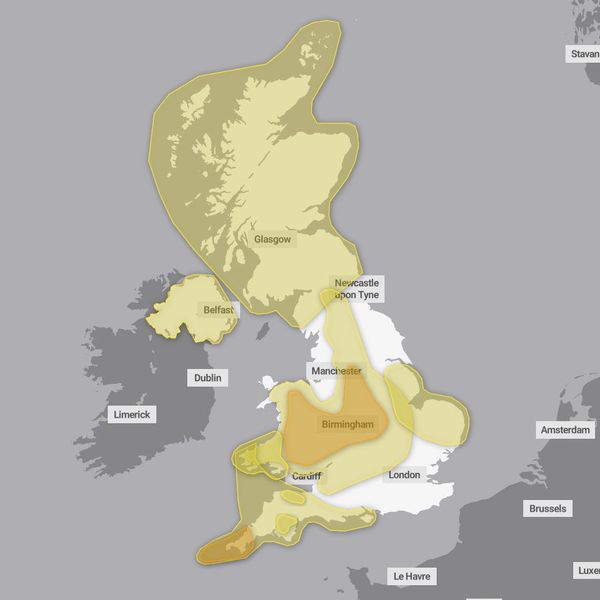
The Met Office has issued amber and yellow weather warnings as Storm Chandra approaches the UK. The storm is expected to bring a mix of strong winds, heavy rainfall, and coastal impacts from Tuesday onwards.

Storm Chandra is the fifth named storm of the 2025 to 2026 season. It is currently moving east across the Atlantic and is forecast to affect large parts of the South West and Wales before tracking northwards.

Areas Most at Risk

A yellow wind warning is in force for Cornwall, southwest Wales, and parts of northern Devon. The strongest winds are expected across the Isles of Scilly, western Cornwall, and southwest Wales, with gusts of 70 to 80 mph possible.

These areas remain vulnerable after recent storm activity, increasing the risk of further damage. An amber rain warning covers south Devon, much of Dorset, southern Somerset, and southeast Cornwall. Rainfall totals of 30 to 50 mm are expected across many areas, with higher ground such as south Dartmoor potentially seeing up to 60 to 80 mm.

Why This Storm Poses a Higher Risk

Ground conditions across Dorset and parts of Devon, Somerset, and Cornwall are already saturated. Extra rainfall could cause surface water flooding, water ingress, and drainage problems, even where flooding has not happened before.

Strong winds and heavy rain heighten the risk of roof damage, falling debris, and water entering buildings through weakened points. Damage may not be immediately visible and can develop hours or days after the storm has passed.

Travel and Infrastructure Disruption

Significant travel disruption is expected during the warning period. Road and bridge closures are possible, and delays or cancellations may affect rail, air, and ferry services.

The Met Office has also warned that power outages could occur as the storm moves inland. Loss of electricity may disrupt mobile phone networks and internet services, affecting both homes and businesses.

Coastal Impacts

Large and powerful waves are forecast along exposed coastlines. These conditions may deposit debris and beach material onto seafronts and nearby properties. People are advised to keep well clear of coastal areas during the storm to reduce the risk of injury.

After the Storm

Damage caused by severe weather often becomes visible after conditions settle. Roof leaks, ceiling stains, damp smells, and concealed water ingress are common problems following storms of this kind.

If property damage happens, prompt assessment and response can minimise long-term effects and disruptions.

Storm Goretti is expected to bring severe winter weather to large parts of the UK, with amber warnings in place across several regions. Falling temperatures, heavy snow, and widespread ice raise risks to people, property, and travel. Preparing now helps reduce disruption and damage.

What to expect from Storm Goretti

Temperatures continue to fall across central and eastern England. Storm Goretti is forecast to bring heavy snow from Thursday night into Friday. Many amber warning areas may see 5 to 10cm of snowfall, with up to 20cm possible on higher ground.

The Met Office cautions about icy conditions on untreated roads, pavements, and cycle paths. Slips, falls, and vehicle accidents are more likely. Travel delays are anticipated across road and rail networks, with possible disruptions to public transport and power outages.

Overnight temperatures have already dropped below -10°C in some parts of the country. Prolonged cold weather increases the risk of frozen pipes, burst plumbing, roof leaks, and internal flooding. When thawing begins, water can spread rapidly through floors, walls, and ceilings if damage goes unnoticed.

Saturday is expected to remain cold but mainly dry, with wintry showers along the northern coasts. Milder air should arrive from Sunday. The UK Health Security Agency has extended amber cold health alerts across England until 11 January due to ongoing risks.

A weather warning map for 8 January. Pic: Met Office

A weather warning map for 8 January. Reference: Met Office

How to stay safe during Storm Goretti

Simple steps can help protect you and your property during harsh winter weather.

  • Avoid unnecessary travel during amber warnings. Check conditions before leaving and allow extra time.
  • Wear footwear with good grip to minimise the risk of slipping on ice.
  • Keep entrances, pathways, and steps clear. Use salt or grit where feasible.
  • Protect your pipes by insulating exposed sections and keeping the heating on at a low setting during freezing temperatures.
  • Know the location of your stopcock so you can turn off the water quickly if a pipe bursts.
  • Check roofs and gutters when it is safe. Snow accumulation and blocked drainage increase the risk of leaks during thawing.
  • Watch for signs of dampness indoors. Cold and moisture provide the perfect conditions for mould to grow.

How ServiceMaster Restore can help

ServiceMaster Restore supports homes and businesses affected by severe weather. Our teams specialise in flood damage restoration, water damage recovery, and mould removal and remediation. We respond quickly to prevent further damage, dry affected areas, and restore properties safely after storms, flood and water damage.

If Storm Goretti causes water ingress, burst pipes, or mould issues in your property, early action reduces repair time and cost.

ServiceMaster Restore is ready to help when winter weather takes its toll. Call us today on 0800 0213970.

Storm Agnes is coming.

With the area of low-pressure officially dubbed Storm Agnes by the Met Office set to hit much of the UK this week, here’s everything you need to know and how to prepare to prevent potential damages.

What can we expect from Storm Agnes?

The Met Office warns that:

“Storm Agnes will move into western areas of the UK and Ireland on Wednesday, with the strongest winds most likely on Irish Sea coasts, though it will be a widely windy day across the UK.”

Rain

To be more precise, we can expect around 60mm of rain in some areas of Scotland and heavy rain across the UK.

As Agnes moves north towards the end of the week, rain will move south in heavy bursts on Thursday and Friday across England and Wales.

Wind

A yellow weather warning for wind has also been issued across the UK on Wednesday and Thursday, with only the southeast of England currently except.

Inland areas can expect a high likelihood of wind gusts around 50 to 60mph, while exposed areas like coastland may see gusts ranging from 65-80mph.

This may cause transport disruption, with some roads and bridges closing.

Preventing Potential Property Damage

The wind warning may pose a risk to buildings, as well as the possibility of power cuts for some.

Wind is the most common form of damage and disruption in the UK, with 184 recorded deaths from wind-related building failures between 1962 and 1995.

Here are our top tips for storm preparation:

  1. Secure Loose Objects

Secure all loose objects such as ladders, outdoor furniture, or anything that could be blown into windows and cause damage.

  1. Fasten Doors and Windows

Close and securely fasten all doors and windows, like those for a garage.

  1. Gas, Electric and Water Supply

Remind yourself how to turn off your gas, electric and water supplies. You may need to do this in a pinch, and it’s best to be prepared.

  1. Check all Gutters are Clear

Check all of your gutters and drain pipes are clear to avoid blockages.

  1. Unplug Electronics

Unplug all non-essential electrical appliances.

  1. Have an Evacuation Plan

Have an evacuation plan ready in case of an emergency.

What if Storm Agnes damages your property?

If your property is the victim of damage during Storm Agnes, ServiceMaster Restore will be there to aid in the aftermath and restoration.

To learn more about our services, find your nearest ServiceMaster Restore business today or call 0845 762 6828 in an emergency.