Tag Archive for: ServiceMaster Restore

Fire and smoke damage can be distressing at any time of year. During winter, it becomes even more difficult to manage. Cold weather, restricted ventilation, and extended drying times all contribute to the difficulty. Knowing what steps to take after a fire helps safeguard your property and prevents further damage.

The most important thing is to act quickly, but safely.


Step 1: Make Sure the Property Is Safe

Do not re-enter the property until the fire service declares it safe. Fire can weaken floors, ceilings, and walls. Even small fires may cause hidden structural damage.

If you smell gas or see damaged electrical wiring, stay outside and contact the relevant emergency service.


Step 2: Limit Further Damage

Once it is safe, take steps to prevent further damage.

  • Ventilate the property where possible by opening windows and doors briefly to release smoke odours.
  • Cover damaged areas if the weather permits.
  • Remove unaffected belongings from smoky rooms.
  • In winter, avoid leaving windows open for extended periods, as cold air slows drying and increases condensation.

Step 3: Avoid DIY Cleaning

Smoke residue and soot spread easily. Wiping surfaces without the proper products can push soot further into materials and cause stains to become permanent.

Soot contains dangerous particles. Inhaling them can irritate the lungs and eyes. Professional fire and smoke damage cleaning removes contamination safely and effectively.


Step 4: Contact Your Insurer Early

Notify your insurer promptly. Take photographs of all visible damage and record what has been affected. Do not dispose of any items until they have been inspected.

Your insurer may appoint a loss adjuster to assess the damage and advise on next steps.


Step 5: Start the Restoration Process

Fire damage restoration during winter takes longer. Cold air hampers drying, and smoke odours persist. Specialist equipment is required to clean, dry, and deodorise affected areas.

Professional restoration helps prevent long-term problems like corrosion, staining, and mould growth.


Why Winter Makes Fire and Smoke Damage Worse

In colder months, properties remain closed. Smoke particles settle further into soft furnishings, walls, and insulation. Moisture from firefighting can freeze or cause condensation, resulting in secondary water damage.

This makes prompt, professional intervention essential.


When to Get Professional Help

If your property has experienced fire or smoke damage in winter or at any time of year, expert support is essential. Proper cleaning, drying, and deodorising help protect both the building and the health of those living or working there. ServiceMaster Restore offers fire and smoke damage restoration nationwide in the UK.

Our teams work throughout the year and are familiar with the challenges brought by winter conditions.

If you need help after a fire, call 0800 021 3970, or find your nearest ServiceMaster Restore business to see how we can help today.
Frozen pipes are one of the most common winter emergencies in UK homes. They often strike overnight or when you are away, and the damage can be serious. What catches people out is this. Pipes do not usually burst while frozen. They burst when they start to thaw.

Understanding why frozen pipes burst makes it much easier to prevent the problem in the first place.


Why Pipes Freeze in Cold Weather

Water expands when it freezes. Inside a pipe, that expansion creates pressure. The ice itself blocks the pipe, and pressure builds up behind it as more water freezes.

Pipes in lofts, garages, basements, and external walls are at the most significant risk. These areas get colder faster and are often poorly insulated. When temperatures drop below zero for several hours, the risk rises quickly.


Why Frozen Pipes Burst When They Thaw

The real damage usually happens during thawing. As the ice melts, water begins to flow again. The pressure releases suddenly, forcing water through cracks that formed while the pipe was frozen.

At this point, water can discharge rapidly. Many homeowners only realise there is a problem once ceilings stain, floors flood, or water starts dripping through light fittings.


How to Stop Pipes from Freezing

A few simple steps can significantly reduce the risk.

Insulate exposed pipes
Lag pipes in lofts, garages, and cupboards near external walls. Pipe insulation is cheap and effective.

Keep heating on low
During cold spells, keep your heating set to a low constant temperature, even overnight. This keeps pipes warm enough to avoid freezing.

Open cupboard doors
Allow warm air to circulate pipes under sinks and in enclosed spaces.

Fix small leaks early
A slow drip increases the chance of freezing—repair leaks before winter sets in.

Drain outside taps
Turn off external water supplies and drain taps before the first hard frost.


What to Do If a Pipe Freezes

If you suspect a pipe has frozen, act carefully.

Turn off the water supply at the stopcock.
Open the cold tap connected to the frozen pipe.
Warm the pipe slowly by wrapping it in towels and immersing it in warm water.
Do not use open flames or blowtorches.

If a pipe has already burst, turn off the water immediately and contact a professional.


Why Acting Fast Matters

Burst pipes cause extensive water damage in a short time. Water can spread through floors, walls, insulation, and electrical systems. The longer it sits, the worse the damage becomes.

Quick action limits repair costs and reduces the risk of mould developing later.


When to Call for Help

If frozen or burst pipes have caused water damage, professional support makes a difference. Drying and restoring a property in winter takes specialist equipment and experience.

ServiceMaster Restore provides emergency water damage restoration across the UK. Our teams respond quickly, assess the damage, and begin drying and repair work immediately.

If you are dealing with frozen or burst pipes, call 0800 021 3970, or find your nearest ServiceMaster Restore business to see how we can help today.

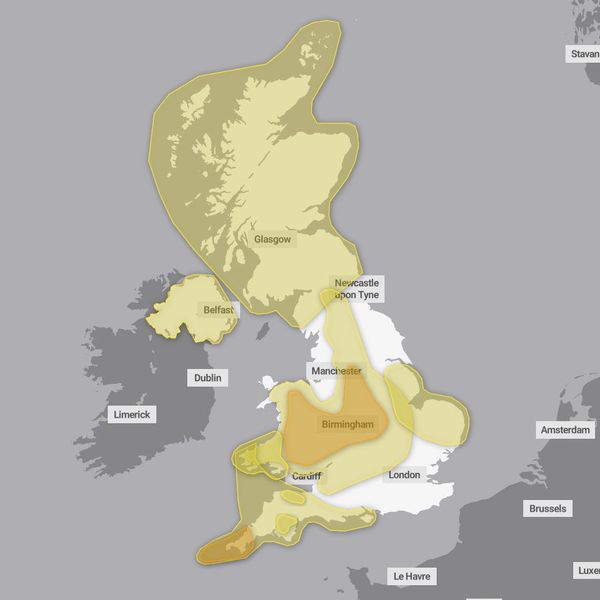
Storm Goretti is expected to bring severe winter weather to large parts of the UK, with amber warnings in place across several regions. Falling temperatures, heavy snow, and widespread ice raise risks to people, property, and travel. Preparing now helps reduce disruption and damage.

What to expect from Storm Goretti

Temperatures continue to fall across central and eastern England. Storm Goretti is forecast to bring heavy snow from Thursday night into Friday. Many amber warning areas may see 5 to 10cm of snowfall, with up to 20cm possible on higher ground.

The Met Office cautions about icy conditions on untreated roads, pavements, and cycle paths. Slips, falls, and vehicle accidents are more likely. Travel delays are anticipated across road and rail networks, with possible disruptions to public transport and power outages.

Overnight temperatures have already dropped below -10°C in some parts of the country. Prolonged cold weather increases the risk of frozen pipes, burst plumbing, roof leaks, and internal flooding. When thawing begins, water can spread rapidly through floors, walls, and ceilings if damage goes unnoticed.

Saturday is expected to remain cold but mainly dry, with wintry showers along the northern coasts. Milder air should arrive from Sunday. The UK Health Security Agency has extended amber cold health alerts across England until 11 January due to ongoing risks.

A weather warning map for 8 January. Pic: Met Office

A weather warning map for 8 January. Reference: Met Office

How to stay safe during Storm Goretti

Simple steps can help protect you and your property during harsh winter weather.

  • Avoid unnecessary travel during amber warnings. Check conditions before leaving and allow extra time.
  • Wear footwear with good grip to minimise the risk of slipping on ice.
  • Keep entrances, pathways, and steps clear. Use salt or grit where feasible.
  • Protect your pipes by insulating exposed sections and keeping the heating on at a low setting during freezing temperatures.
  • Know the location of your stopcock so you can turn off the water quickly if a pipe bursts.
  • Check roofs and gutters when it is safe. Snow accumulation and blocked drainage increase the risk of leaks during thawing.
  • Watch for signs of dampness indoors. Cold and moisture provide the perfect conditions for mould to grow.

How ServiceMaster Restore can help

ServiceMaster Restore supports homes and businesses affected by severe weather. Our teams specialise in flood damage restoration, water damage recovery, and mould removal and remediation. We respond quickly to prevent further damage, dry affected areas, and restore properties safely after storms, flood and water damage.

If Storm Goretti causes water ingress, burst pipes, or mould issues in your property, early action reduces repair time and cost.

ServiceMaster Restore is ready to help when winter weather takes its toll. Call us today on 0800 0213970.

Mould and mildew are often confused. Many people use the terms interchangeably, but they are not the same. Both are linked to moisture, yet they behave differently and cause different levels of damage. Understanding the difference between mould and mildew helps you deal with the issue early and protect your property.

Mildew usually appears first. It is more visible and often easier to remove. Mould is typically more severe and may indicate a deeper moisture problem.


What Is Mildew?

Mildew is a surface-level fungal growth. It usually appears as a thin, powdery layer and is often white, light grey, or pale yellow. You frequently see mildew on bathroom tiles, window frames, and kitchen walls where condensation accumulates.

Mildew grows in warm, damp areas with poor ventilation. Because it remains on the surface, it can often be removed with household products. If mildew keeps returning, it indicates that the room’s moisture levels are too high.


What Is Mould?

Mould is more aggressive than mildew. It is used in materials such as plaster, wood, carpets, and insulation. It often appears black, green, or dark brown and typically has a strong, musty odour.

Mould spreads quickly and can damage your property’s structure if left untreated. It often develops after leaks, flooding, or long-term condensation problems. When mould becomes visible, it may already be established behind walls or under flooring.


The Key Difference Between Mould and Mildew

Mildew stays on the surface and is usually light in colour.
Mould penetrates materials and is often dark and patchy.

Mildew is easier to remove with regular cleaning.
Mould often requires professional treatment.

Mildew suggests poor ventilation.
Mould typically indicates ongoing moisture or water damage.


Health Risks of Mould and Mildew

Mildew can irritate, particularly for people with allergies or asthma. Mould poses a greater risk. Long-term exposure to mould spores may cause respiratory issues, headaches, and skin irritation.

Children, older adults, and anyone with respiratory conditions are more vulnerable. If mould continues to spread or keeps returning, it should not be ignored.


How to Prevent Mould and Mildew

Good ventilation is essential. Open windows daily where possible. Use extractor fans in kitchens and bathrooms. Keep the heating consistent to prevent cold surfaces where moisture accumulates.

If your property has suffered a leak or flood, dry the area thoroughly and quickly. Moisture left behind creates the perfect conditions for mould growth.


When to Get Professional Help

If mould covers a large area, recurs, or is accompanied by musty odours or damaged surfaces, the issue is likely deeper than surface moisture. Cleaning alone will not solve the problem.

ServiceMaster Restore provides professional mould remediation and water damage restoration. Our teams identify the cause, treat affected areas, and help prevent further issues.

If you are concerned about mould or mildew in your property, call 0800 021 3970, or find your nearest ServiceMaster Restore business to see how we can help today.

Many people wonder how to properly dispose of their Christmas tree after taking down the decorations.

While a real tree looks beautiful in December, it dries out quickly once the holiday festivities are over. If you leave it for too long, the needles will start to drop, the trunk may become brittle, and the risk of fire will increase. The best course of action is to safely remove the tree and dispose of it appropriately for your home and local area.

Many people are uncertain about what to do with a real Christmas tree after the holidays. Here are the most practical and sensible options.

1. Use your council recycling scheme

Most councils collect real Christmas trees in January. Some ask you to place your tree next to your garden waste bin, while others provide designated drop-off points. The collected trees are processed into compost or wood chippings. This process is straightforward and helps keep the trees out of landfills. Be sure to check your local council’s website for specific dates and instructions.

2. Take it to a local recycling centre

If you prefer to deal with the tree straight away, you can bring it to your nearest recycling centre. They often have a separate section for garden waste. This is useful if your council collection is later than you would like.

3. Cut it up for your own garden use

If you have enough space, you can cut the tree into smaller pieces. The branches can be used as mulch around flower beds, while the trunk can be chopped into logs and left to dry. Avoid burning wood indoors, as fresh pine produces significant smoke and sap. Instead, let it dry for outdoor use later in the year.

4. Check for local charity collections

Some charities collect real Christmas trees for a small donation, making it an easy option that supports a good cause. Many hospice organisations run these collections each January.

5. Remove it as soon as possible

A dry Christmas tree poses a fire risk. After just a couple of weeks indoors, especially in warm rooms, the needles can dry out and become more flammable. Once the holiday season is over, it’s important to move the tree outside immediately. Even a short delay increases the risk of fire, especially if the tree remains close to heaters or lights.


6. Clean the area once the tree is gone

Real Christmas trees can leave behind sap, loose needles, and dust. A quick cleanup helps prevent mould, odours, and staining. Be sure to check the floor, skirting boards, and nearby walls for any marks or moisture.


Real Christmas trees bring life and colour to the season, but they need to be handled safely once the holidays are over. Quick removal reduces fire risks and keeps your home tidy. If you spot any signs of damp, smoke staining or accidental damage after the festive period, help is available.

ServiceMaster Restore can support you with smoke, fire or water issues at any time of year. Our teams act fast and keep your home safe during winter.

Call 0800 021 3970, or find your nearest ServiceMaster Restore business to see how we can help today.

Condensation can become a significant issue when winter arrives. You first notice it on the windows, and then it can spread to frames, walls, and corners.

Many people wonder why condensation worsens in colder months. The answer is straightforward: warm air inside your home comes into contact with cold surfaces, which causes it to condense into water. This is why winter condensation occurs quickly and can lead to problems if left unaddressed.

You heat your home more often and keep the windows closed. Cooking hot meals and drying clothes indoors also contribute to increased indoor moisture. This moisture has nowhere to go, so it settles on any cold surfaces it can find. If this continues, you may end up with mould, damp patches, and peeling paint.

Here are a few ways to reduce winter condensation and prevent it from becoming a bigger issue.

1. Improve ventilation

Fresh air significantly impacts indoor air quality. Open windows for a short time each day, and use extractor fans when showering or cooking. If your windows have them, utilise the trickle vents. These small actions can help remove moisture before it settles.

2. Keep rooms at a steady temperature

Cold rooms attract condensation quickly. Maintaining a steady temperature is essential because warm air can retain moisture for longer. Try to prevent rooms from getting too cold between heating cycles. Even a slight increase in temperature keeps surfaces warmer and reduces moisture buildup.

3. Avoid drying clothes indoors

Drying clothes indoors adds significant moisture to the air. If this is your only option, position the clothes near an open window or an extractor fan. A dehumidifier can also help quickly reduce winter condensation.

4. Move furniture away from cold walls

Large pieces of furniture block airflow, creating cold pockets where moisture settles. To allow air to circulate, leave a small gap behind wardrobes, beds, and sofas.

5. Wipe away moisture each morning

If condensation forms overnight, wipe it off before it soaks into the frames or plaster. This simple habit reduces mould growth and maintains windows in better condition.


Condensation during winter is common, but if left unaddressed, it can cause damage to your home. If you notice damp patches spreading, strong musty odours, or persistent mould, the issue may be more than just simple moisture build-up. Hidden leaks or inadequate ventilation can often exacerbate the problem.

ServiceMaster Restore can help if you are worried about water damage or mould. Our teams assess the issue, identify the cause, and carry out the appropriate restoration steps to protect your home.

Call 0800 021 3970, or find your nearest ServiceMaster Restore business to see how we can help you today.

Here are a few home safety tips to keep you safe this festive season, without taking the fun out of it.

December is a time for cosiness. Lights are hung, the heating is on, and the aroma of delicious food lingers in the air for weeks. However, it’s also a season when small accidents and home emergencies are more likely to occur. With candles, cooking, decorations, and cold weather, there are many things that can go wrong if you’re not careful.


1. Check your Christmas lights

Before hanging up lights, inspect them for frayed cables, cracked bulbs, or loose fittings. Older light sets can overheat, particularly when they are left on for extended periods. Whenever possible, choose LED lights, as they remain cooler and consume less power. Always remember to turn them off at night or when you leave the house.

2. Be careful with candles

Candles add a lovely ambience during this time of year, but they are a common cause of festive fires. Keep them away from curtains, decorations, and anything flammable. Never leave a room with a candle burning, no matter how quickly you think you’ll be back.

3. Cook safely

The kitchen becomes quite busy in December with guests, music, and children running around, making it easy to get distracted. To stay safe, keep tea towels, packaging, and decorations away from the stovetop. If you are deep-frying, never leave it unattended, even for a moment.

4. Keep heaters and fires clear

Radiators, electric heaters, and open fires all emit radiant heat that can easily dry out decorations or Christmas trees. Maintain a distance of at least one meter around any heat source. If you have a real tree, be sure to water it daily to prevent it from drying out.

5. Test your smoke alarms

A quick test takes only seconds but can save lives. Batteries discharge more quickly in cold, dry air, and heating systems tend to produce more dust. Ensure that every level of your home has a functioning smoke alarm.

6. Watch those extension leads

With lights, chargers, and gadgets everywhere, it’s easy to overload electrical sockets. Spread plugs across different outlets and avoid daisy-chaining extension cords. Too many devices in one socket can cause overheating quickly.

7. Plan for cold weather

Check the pipes in your loft and garage, especially during cold weather when temperatures can drop quickly. A frozen pipe can burst and cause flooding in your home within minutes. To prevent this, insulate the pipes where possible and keep the heating on low, even overnight, during very cold periods.


A little preparation can make a significant difference. Fires, leaks, and power issues can all be prevented with simple checks and a little awareness. If something does go wrong, ServiceMaster Restore UK is available 24/7 to assist you. Whether you’re dealing with fire, flood, or smoke damage, our technicians are ready to restore your home quickly and safely.

Stay updated by following our website and social media for more home safety tips and other content.

Call 0800 021 3970, or find your nearest ServiceMaster Restore business to see how we can help you today.

It’s easy to forget how much a Christmas tree can dry out indoors. One day it’s green and fresh, and the next it feels brittle, dropping needles everywhere. Add warm lights, dry air, and the occasional candle nearby, and suddenly you’ve got a serious fire risk sitting in the corner of your living room.

It may sound dramatic, but Christmas tree fires do occur, and quickly.

Radiant heat from a fire can ignite nearby objects alarmingly quickly. With a dry Christmas tree, flames can spread across the room in less than a minute. Even without direct contact, the intense heat from open flames or a fireplace can cause the needles to dry, smoke, and ignite.

Once the tree catches fire, it burns with extreme speed and temperature, dispersing flames, smoke, and toxic gases throughout the space almost instantly. Keeping your tree well away from open fires, candles, or stoves is one of the simplest and most effective Christmas tree fire safety measures you can take.

Here’s how to keep your home safe while still enjoying all the sparkle of the season.


1. Keep your tree watered

If you’ve got a real tree, treat it like a houseplant that drinks a lot more than you’d expect. A dry tree is like tinder. Make sure the stand always has water, and top it up daily. Once the base dries out, the trunk seals, and it stops absorbing moisture altogether.


2. Check your fairy lights

Old or damaged lights are one of the biggest culprits in Christmas tree fires. Before you plug them in, inspect for frayed wires, cracked bulbs, or loose connections. Use LED lights where possible — they stay cooler and use less electricity.


3. Don’t overload plug sockets

With lights, decorations, and maybe a few extra gadgets around, it’s tempting to use extension leads everywhere. Try not to. Too many plugs in one socket can overheat and start a fire.


4. Keep the tree away from heat sources

Avoid placing it near radiators, fireplaces, or candles. Even a few feet can make a difference. If you light candles nearby, never leave them unattended — it’s an easy mistake that causes hundreds of fires every year.


5. Switch off at night

It’s simple but often forgotten. Always turn off Christmas lights before bed or when you leave the house. You’ll save energy too, which is a bonus.


6. Know when it’s time to say goodbye

Once Christmas is over, don’t leave your tree sitting there until February. As it dries, the fire risk only increases. Dispose of it through local recycling schemes or garden waste collections.


Even with all the right precautions, accidents can still happen. If fire or smoke ever damages your home,  is here 24/7 to help. Our technicians can clean, repair, and restore your property quickly and safely, so you can focus on getting life back to normal.

For urgent help or advice, call 0800 021 3970, or find your nearest ServiceMaster Restore business.

[LOCATION_URL]

If you are looking to buy or rent a property, it’s wise to watch for signs of water damage. Signing a contract is straightforward, but exiting it can be difficult if you discover water damage after you’ve signed.

Here are some signs of water damage to watch out for.


Outside of the property

  • Look around the exterior window and door frames; is there any separation? A separation often indicates the potential for leaks or moisture entering the property.
  • Check for missing or cracked roof tiles. This can show if water might enter through the roof.
  • Ensure guttering is intact so that water can flow away from the property freely.

Inside the property 

  • Look for water rings on the ceiling or walls, as these indicate leaks from pipework.
  • Check for any signs of a leak; even small watermarks tell a story.
  • Look for soft or sagging areas in the flooring, especially near water appliances like sinks, baths, dishwashers, and washing machines. While this might simply be faulty appliances, it’s worth investigating.
  • Inspect for cracked and warped flooring, which can reveal previous water damage that caused further problems.
  • Notice any recent repairs to ceilings, walls, and floors, as this may indicate past water damage has been repaired.
  • Remember to check the loft, basement, and garage—all can provide important clues about water damage.

Need professional water damage restoration?

If you are unfortunate enough to be faced with a property with water damage, we can help!

Visit our water damage page, find your nearest ServiceMaster Restore business or contact us on 0845 762 6828

From damaged stock to operational downtime, the impact of a flood can be costly and long-lasting. Whether your premises are located on a high street, in a business park, or in a rural area, it’s essential to prepare in advance. Here’s how to prepare your commercial property for a flood.


1. Check if You’re at Risk

Check if your area is at risk of flooding using the government’s flood risk checker. Sign up for free flood alerts via the gov.uk to receive early warnings through text, phone, or email.


2. Carry Out a Flood Assessment

A flood risk assessment helps you understand how water may enter your premises and which areas or equipment are most vulnerable. Use this information to plan protective measures and prioritise critical systems.


3. Safeguard Key Equipment and Stock

Where possible:

  • Keep important stock, documents, or servers elevated above ground level.
  • During high-risk periods, move portable items to higher shelves or upper floors.
  • Ensure that computers and sensitive equipment are kept off the floor and backed up regularly.
  • Install waterproof storage to protect essential records.

4. Create a Flood Response Plan

Make sure your staff know what to do in the event of a flood. Your plan should include:

  • Roles and responsibilities for key staff
  • A list of emergency contacts
  • Instructions for shutting down power safely
  • How to secure stock or equipment quickly
  • Clear evacuation routes and access to emergency kits

Conduct regular training sessions or practice drills, especially if your business operates in a high-risk environment.


5. Install Physical Protections

Invest in flood defence products where possible:

  • Flood boards or barriers for doors and windows
  • Airbrick covers
  • Non-return valves on drainage and pipes
  • Sealant for walls and floor gaps

6. Check Insurance Cover

Ensure your policy includes cover for flood damage, business interruption, and contents. Keep copies of your policy, photos of equipment, and asset records in a safe and accessible location.


Need flood recovery support?

We’re ready 24/7 to help businesses across the UK recover quickly and safely.

Contact us today at 0800 021 3970, or find your nearest ServiceMaster Restore business to learn how we can assist you.