Tag Archive for: Flood restoration

When floodwater finally begins to recede, most people’s first thought is simple. Can we stay here?

It’s understandable. You seek stability and want to protect what remains. You might not have anywhere else to go on short notice. However, whether you can stay in your home after a flood depends on several factors, some of which are not immediately obvious.

Safety must take precedence. This guide will answer the question, “Can you stay in your home after a flood?”

1. Electrical Safety Comes First

Water and electricity do not mix. Even after floodwaters recede, moisture can stay inside sockets, wires, and appliances.

  • Do not switch the power back on yourself.
  • Do not plug in appliances that have been exposed to water.

A qualified electrician should inspect the system before you restore power. Until that occurs, the property may not be safe to occupy.

2. Structural Damage Is Not Always Visible

Floodwater damages materials. Plasterboard quickly absorbs water. Timber swells. Flooring lifts. In some cases, floors and stairs may feel solid but have reduced strength.

Look for:

  • Sagging ceilings
  • Cracked walls
  • Warped flooring
  • Doors that no longer close properly

If you observe structural changes, consult a professional before making a decision to remain.

3. Contamination and Hygiene Risks

Floodwater is seldom clean. It frequently contains sewage, chemicals, and debris from external sources.

Dry-looking surfaces can still harbour bacteria. Soft furnishings, carpets, and mattresses absorb contaminated water and may pose health risks.

If the flood involved external water or sewage, professional cleaning and disinfection is highly advised before anyone continues living in the property.

4. Damp and Mould Risk

Mould can start developing within 24 to 48 hours after water damage. Even if the house feels dry on the surface, moisture might still be trapped in walls and floors.

If you stay in the property without proper drying:

  • Damp spreads
  • Mould develops
  • Air quality declines

This poses health risks, especially for children, the elderly, and individuals with respiratory conditions.

5. Heating and Ventilation Challenges

In colder months, drying a flooded property becomes more challenging. Heating alone does not eliminate deep moisture and can even increase condensation in some areas.

Professional drying equipment removes hidden moisture and decreases the risk of secondary damage.

So, Can You Stay in Your Home After a Flood?

You may be able to remain in part of your home if:

  • Electricity has been declared safe.
  • There is no structural instability.
  • Contaminated materials have been removed.
  • Proper drying is in progress.
  • Air quality is safe.

However, if damage is extensive, involves sewage contamination, or impacts essential services, temporary accommodation may be the safer choice.

Your insurer can advise on cover for alternative accommodation if needed.

Why Acting Quickly Matters

The longer water remains in your property, the more damage it causes. Secondary problems like mould, corrosion, and material deterioration raise repair costs and lengthen recovery time.

Professional assessment offers clarity. It informs you whether the property is safe to occupy and what steps need to be taken next.

Getting the Right Support

Flooding can be very stressful. Uncertainty about safety, costs, and recovery time increases the worry. Clear guidance helps you make well-informed decisions. Read our step-by-step guide for documenting property damage to support your insurance claims.

ServiceMaster Restore offers residential flood damage restoration across the UK. Our teams evaluate safety, perform controlled drying, and oversee cleaning and restoration to help you return home as quickly and safely as possible.

If your property has been affected by flooding, call 0800 021 3970, or find your nearest ServiceMaster Restore business to see how we can help.
Frozen pipes are one of the most common winter emergencies in UK homes. They often strike overnight or when you are away, and the damage can be serious. What catches people out is this. Pipes do not usually burst while frozen. They burst when they start to thaw.

Understanding why frozen pipes burst makes it much easier to prevent the problem in the first place.


Why Pipes Freeze in Cold Weather

Water expands when it freezes. Inside a pipe, that expansion creates pressure. The ice itself blocks the pipe, and pressure builds up behind it as more water freezes.

Pipes in lofts, garages, basements, and external walls are at the most significant risk. These areas get colder faster and are often poorly insulated. When temperatures drop below zero for several hours, the risk rises quickly.


Why Frozen Pipes Burst When They Thaw

The real damage usually happens during thawing. As the ice melts, water begins to flow again. The pressure releases suddenly, forcing water through cracks that formed while the pipe was frozen.

At this point, water can discharge rapidly. Many homeowners only realise there is a problem once ceilings stain, floors flood, or water starts dripping through light fittings.


How to Stop Pipes from Freezing

A few simple steps can significantly reduce the risk.

Insulate exposed pipes
Lag pipes in lofts, garages, and cupboards near external walls. Pipe insulation is cheap and effective.

Keep heating on low
During cold spells, keep your heating set to a low constant temperature, even overnight. This keeps pipes warm enough to avoid freezing.

Open cupboard doors
Allow warm air to circulate pipes under sinks and in enclosed spaces.

Fix small leaks early
A slow drip increases the chance of freezing—repair leaks before winter sets in.

Drain outside taps
Turn off external water supplies and drain taps before the first hard frost.


What to Do If a Pipe Freezes

If you suspect a pipe has frozen, act carefully.

Turn off the water supply at the stopcock.
Open the cold tap connected to the frozen pipe.
Warm the pipe slowly by wrapping it in towels and immersing it in warm water.
Do not use open flames or blowtorches.

If a pipe has already burst, turn off the water immediately and contact a professional.


Why Acting Fast Matters

Burst pipes cause extensive water damage in a short time. Water can spread through floors, walls, insulation, and electrical systems. The longer it sits, the worse the damage becomes.

Quick action limits repair costs and reduces the risk of mould developing later.


When to Call for Help

If frozen or burst pipes have caused water damage, professional support makes a difference. Drying and restoring a property in winter takes specialist equipment and experience.

ServiceMaster Restore provides emergency water damage restoration across the UK. Our teams respond quickly, assess the damage, and begin drying and repair work immediately.

If you are dealing with frozen or burst pipes, call 0800 021 3970, or find your nearest ServiceMaster Restore business to see how we can help today.

Storm Goretti is expected to bring severe winter weather to large parts of the UK, with amber warnings in place across several regions. Falling temperatures, heavy snow, and widespread ice raise risks to people, property, and travel. Preparing now helps reduce disruption and damage.

What to expect from Storm Goretti

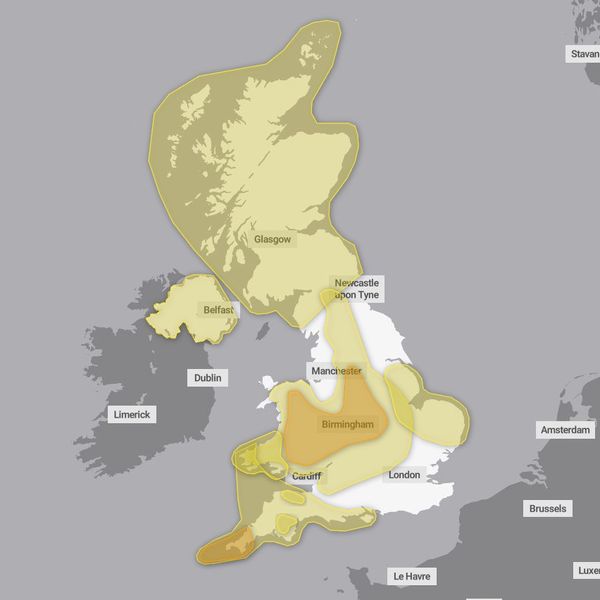
Temperatures continue to fall across central and eastern England. Storm Goretti is forecast to bring heavy snow from Thursday night into Friday. Many amber warning areas may see 5 to 10cm of snowfall, with up to 20cm possible on higher ground.

The Met Office cautions about icy conditions on untreated roads, pavements, and cycle paths. Slips, falls, and vehicle accidents are more likely. Travel delays are anticipated across road and rail networks, with possible disruptions to public transport and power outages.

Overnight temperatures have already dropped below -10°C in some parts of the country. Prolonged cold weather increases the risk of frozen pipes, burst plumbing, roof leaks, and internal flooding. When thawing begins, water can spread rapidly through floors, walls, and ceilings if damage goes unnoticed.

Saturday is expected to remain cold but mainly dry, with wintry showers along the northern coasts. Milder air should arrive from Sunday. The UK Health Security Agency has extended amber cold health alerts across England until 11 January due to ongoing risks.

A weather warning map for 8 January. Pic: Met Office

A weather warning map for 8 January. Reference: Met Office

How to stay safe during Storm Goretti

Simple steps can help protect you and your property during harsh winter weather.

  • Avoid unnecessary travel during amber warnings. Check conditions before leaving and allow extra time.
  • Wear footwear with good grip to minimise the risk of slipping on ice.
  • Keep entrances, pathways, and steps clear. Use salt or grit where feasible.
  • Protect your pipes by insulating exposed sections and keeping the heating on at a low setting during freezing temperatures.
  • Know the location of your stopcock so you can turn off the water quickly if a pipe bursts.
  • Check roofs and gutters when it is safe. Snow accumulation and blocked drainage increase the risk of leaks during thawing.
  • Watch for signs of dampness indoors. Cold and moisture provide the perfect conditions for mould to grow.

How ServiceMaster Restore can help

ServiceMaster Restore supports homes and businesses affected by severe weather. Our teams specialise in flood damage restoration, water damage recovery, and mould removal and remediation. We respond quickly to prevent further damage, dry affected areas, and restore properties safely after storms, flood and water damage.

If Storm Goretti causes water ingress, burst pipes, or mould issues in your property, early action reduces repair time and cost.

ServiceMaster Restore is ready to help when winter weather takes its toll. Call us today on 0800 0213970.

Here are a few home safety tips to keep you safe this festive season, without taking the fun out of it.

December is a time for cosiness. Lights are hung, the heating is on, and the aroma of delicious food lingers in the air for weeks. However, it’s also a season when small accidents and home emergencies are more likely to occur. With candles, cooking, decorations, and cold weather, there are many things that can go wrong if you’re not careful.


1. Check your Christmas lights

Before hanging up lights, inspect them for frayed cables, cracked bulbs, or loose fittings. Older light sets can overheat, particularly when they are left on for extended periods. Whenever possible, choose LED lights, as they remain cooler and consume less power. Always remember to turn them off at night or when you leave the house.

2. Be careful with candles

Candles add a lovely ambience during this time of year, but they are a common cause of festive fires. Keep them away from curtains, decorations, and anything flammable. Never leave a room with a candle burning, no matter how quickly you think you’ll be back.

3. Cook safely

The kitchen becomes quite busy in December with guests, music, and children running around, making it easy to get distracted. To stay safe, keep tea towels, packaging, and decorations away from the stovetop. If you are deep-frying, never leave it unattended, even for a moment.

4. Keep heaters and fires clear

Radiators, electric heaters, and open fires all emit radiant heat that can easily dry out decorations or Christmas trees. Maintain a distance of at least one meter around any heat source. If you have a real tree, be sure to water it daily to prevent it from drying out.

5. Test your smoke alarms

A quick test takes only seconds but can save lives. Batteries discharge more quickly in cold, dry air, and heating systems tend to produce more dust. Ensure that every level of your home has a functioning smoke alarm.

6. Watch those extension leads

With lights, chargers, and gadgets everywhere, it’s easy to overload electrical sockets. Spread plugs across different outlets and avoid daisy-chaining extension cords. Too many devices in one socket can cause overheating quickly.

7. Plan for cold weather

Check the pipes in your loft and garage, especially during cold weather when temperatures can drop quickly. A frozen pipe can burst and cause flooding in your home within minutes. To prevent this, insulate the pipes where possible and keep the heating on low, even overnight, during very cold periods.


A little preparation can make a significant difference. Fires, leaks, and power issues can all be prevented with simple checks and a little awareness. If something does go wrong, ServiceMaster Restore UK is available 24/7 to assist you. Whether you’re dealing with fire, flood, or smoke damage, our technicians are ready to restore your home quickly and safely.

Stay updated by following our website and social media for more home safety tips and other content.

Call 0800 021 3970, or find your nearest ServiceMaster Restore business to see how we can help you today.

From damaged stock to operational downtime, the impact of a flood can be costly and long-lasting. Whether your premises are located on a high street, in a business park, or in a rural area, it’s essential to prepare in advance. Here’s how to prepare your commercial property for a flood.


1. Check if You’re at Risk

Check if your area is at risk of flooding using the government’s flood risk checker. Sign up for free flood alerts via the gov.uk to receive early warnings through text, phone, or email.


2. Carry Out a Flood Assessment

A flood risk assessment helps you understand how water may enter your premises and which areas or equipment are most vulnerable. Use this information to plan protective measures and prioritise critical systems.


3. Safeguard Key Equipment and Stock

Where possible:

  • Keep important stock, documents, or servers elevated above ground level.
  • During high-risk periods, move portable items to higher shelves or upper floors.
  • Ensure that computers and sensitive equipment are kept off the floor and backed up regularly.
  • Install waterproof storage to protect essential records.

4. Create a Flood Response Plan

Make sure your staff know what to do in the event of a flood. Your plan should include:

  • Roles and responsibilities for key staff
  • A list of emergency contacts
  • Instructions for shutting down power safely
  • How to secure stock or equipment quickly
  • Clear evacuation routes and access to emergency kits

Conduct regular training sessions or practice drills, especially if your business operates in a high-risk environment.


5. Install Physical Protections

Invest in flood defence products where possible:

  • Flood boards or barriers for doors and windows
  • Airbrick covers
  • Non-return valves on drainage and pipes
  • Sealant for walls and floor gaps

6. Check Insurance Cover

Ensure your policy includes cover for flood damage, business interruption, and contents. Keep copies of your policy, photos of equipment, and asset records in a safe and accessible location.


Need flood recovery support?

We’re ready 24/7 to help businesses across the UK recover quickly and safely.

Contact us today at 0800 021 3970, or find your nearest ServiceMaster Restore business to learn how we can assist you.