Have you had a flood in your home? The key is safety first. Cleaning and restoration come later.

Flooding can be frightening. It often occurs suddenly, with little warning, transforming everyday spaces into dangerous areas. Whether the water arises from heavy rain, a burst pipe, or rising groundwater, understanding how to respond during and after a flood is essential for protecting yourself, your family, and your home.


What to Do During a Flood

If flooding occurs while you are at home, take careful action and avoid unnecessary risks.

Put your safety first

If water levels rise quickly, leave the property if advised to do so. Avoid walking through floodwater. It can hide sharp objects, open drains, or electrical hazards.

Turn off utilities if it is safe

If you can reach them safely, turn off electricity, gas, and water at the mains. Do not touch switches or appliances if water is present.

Move valuables to higher ground

If time allows, move important items upstairs or onto raised surfaces. Focus on essentials like documents, medication, and electronics.

Avoid driving through floodwater

Even shallow water can stall a car or sweep it away. Stay put unless authorities advise otherwise.


What to Do Immediately After a Flood

Once the water recedes, the risk is not over; many hazards still remain.

Do not rush back in

Only re-enter your home when it is declared safe. Floodwater can weaken floors and walls.

Ventilate the property carefully

Open windows and doors briefly to let in fresh air, but avoid leaving them open for long periods in cold weather. Sudden temperature changes increase condensation.

Document the damage

Take photos and videos of all affected areas before moving or cleaning anything. This helps with insurance claims later.

Do not switch electrics back on

Have a qualified electrician check systems before restoring power.

Know your insurance policy

Make sure you know what your insurance policy covers. Always contact your insurance company first before contacting us, then prompt them on the phone that you’d like to use ServiceMaster Restore.


How to Reduce Further Damage

Taking quick action is crucial to prevent the spread of flood damage.

Remove standing water quickly

The longer water sits, the more damage it causes. Floors, plaster, and insulation absorb moisture fast.

Do not attempt deep cleaning too soon

Scrubbing before proper drying can push moisture deeper into materials, encouraging mould growth.

Dispose of contaminated items safely

Floodwater often contains sewage and bacteria. Soft furnishings, carpets, and mattresses may need professional assessment before reuse.


Why Professional Drying Matters

Flood damage is often not just visible on the surface. Water can move under floors, behind walls, and into insulation. During winter, drying takes longer, and moisture remains trapped.

Without adequate drying, mould can develop within days, posing health risks and increasing repair costs.

Professional restoration teams use specialised equipment to detect hidden moisture, control drying, and prevent secondary damage.


Getting Help After a Flood

Flooding impacts more than just your home; it disrupts routines, causes stress, and creates uncertainty. Acting quickly can help restore normalcy sooner.

ServiceMaster Restore offers flood damage restoration services for homes across the UK. Our teams evaluate the damage, perform controlled drying, and guide you through the recovery process step by step.

If your home has been affected by flooding, call 0800 021 3970, or find your nearest ServiceMaster Restore business to see how we can help today.

The Met Office has issued amber and yellow weather warnings as Storm Chandra approaches the UK. The storm is expected to bring a mix of strong winds, heavy rainfall, and coastal impacts from Tuesday onwards.

Storm Chandra is the fifth named storm of the 2025 to 2026 season. It is currently moving east across the Atlantic and is forecast to affect large parts of the South West and Wales before tracking northwards.

Areas Most at Risk

A yellow wind warning is in force for Cornwall, southwest Wales, and parts of northern Devon. The strongest winds are expected across the Isles of Scilly, western Cornwall, and southwest Wales, with gusts of 70 to 80 mph possible.

These areas remain vulnerable after recent storm activity, increasing the risk of further damage. An amber rain warning covers south Devon, much of Dorset, southern Somerset, and southeast Cornwall. Rainfall totals of 30 to 50 mm are expected across many areas, with higher ground such as south Dartmoor potentially seeing up to 60 to 80 mm.

Why This Storm Poses a Higher Risk

Ground conditions across Dorset and parts of Devon, Somerset, and Cornwall are already saturated. Extra rainfall could cause surface water flooding, water ingress, and drainage problems, even where flooding has not happened before.

Strong winds and heavy rain heighten the risk of roof damage, falling debris, and water entering buildings through weakened points. Damage may not be immediately visible and can develop hours or days after the storm has passed.

Travel and Infrastructure Disruption

Significant travel disruption is expected during the warning period. Road and bridge closures are possible, and delays or cancellations may affect rail, air, and ferry services.

The Met Office has also warned that power outages could occur as the storm moves inland. Loss of electricity may disrupt mobile phone networks and internet services, affecting both homes and businesses.

Coastal Impacts

Large and powerful waves are forecast along exposed coastlines. These conditions may deposit debris and beach material onto seafronts and nearby properties. People are advised to keep well clear of coastal areas during the storm to reduce the risk of injury.

After the Storm

Damage caused by severe weather often becomes visible after conditions settle. Roof leaks, ceiling stains, damp smells, and concealed water ingress are common problems following storms of this kind.

If property damage happens, prompt assessment and response can minimise long-term effects and disruptions.

Emergency fire and smoke remediation restoration for a vulnerable resident.

This case study from ServiceMaster Clean Devon highlights the importance of fast, specialist intervention after a domestic fire. When smoke and soot damage threaten both a property and the wellbeing of its occupant, speed, expertise and sensitivity are critical. In this instance, our team restored the home safely and quickly, allowing the vulnerable resident to remain in familiar surroundings during an already distressing situation.

The challenge

Following an electrical fault in a kitchen kettle, a local flat suffered significant fire and smoke damage throughout the kitchen, living room, and hallway.

The situation was particularly sensitive, as the resident was an elderly, vulnerable person whose primary wish was to remain in their home. In incidents involving heavy soot and smoke, relocation is often a lengthy and distressing necessity. Our mission was clear: to restore the environment to a safe, liveable condition immediately, preventing the resident from having to move out.

Our response

Speed is the most critical factor in fire restoration as the acidic nature of soot can cause permanent “secondary damage” to fixtures within hours. We responded the same day.

  • Arrival: Once the electricians and gas engineers declared the site safe, ServiceMaster was on-site within just 2 hours of initial contact.
  • Immediate action: Our team focused on high-risk surfaces, including chrome-plated taps, plastic electrical fittings, and kitchen units, which are most susceptible to soot corrosion.

The solution

We employed a multi-stage restoration process to ensure the property was not just “clean,” but medically safe and odour-free:

  1. Dry recovery: We began by vacuuming all surfaces using specialised equipment. This process removed approximately 80% of loose soot contamination without smearing it into the substrates.
  2. Chemical remediation: After the dry cleaning, we used professional-grade soot sponges and ServiceMaster restoration agents to clean all suitable surfaces.
  3. Stability: This process eliminated residual contamination and neutralised the acidic soot, significantly reducing the risk of cross-contamination and lingering smoke odours.

The outcome

The efficiency of our team enabled an industry-leading turnaround:

  • Day 1 (within 24 hours): The property was soot-free, sanitised, and liveable, allowing the resident to stay in their home and avoid the trauma of relocation.
  • Day 2: All surfaces were fully prepared for the next phase. While some permanent staining remained, the structure was clean and ready for stain-blocking and redecoration.

By arriving within hours and completing the structural clean within a day, we didn’t just restore a property; we protected a resident’s independence amid a high-stress crisis.

For specialist and rapid-fire clearance and cleaning, contact the ServiceMaster Clean Devon team on 01803 200 278 or email office@smcdevon.co.uk.


Cold weather causes roof damage frequently. Roof tiles and slates expand and contract as temperatures fluctuate. During the day, they may thaw slightly, only to freeze again overnight. This ongoing movement gradually weakens the materials.

Small cracks develop. Tiles become loose. Mortar deteriorates. Even slight damage permits water to penetrate the roof space, particularly during heavy rain.


The Impact of Frost and Ice

Frost penetrates tiny gaps in tiles and flashing. When it freezes, it expands, gradually forcing materials apart. Ice can also accumulate in gutters and along roof edges. Blocked gutters trap water, which then backs up under tiles or overflows onto walls. This frequently results in damp patches inside the property.


Winter Wind Damage

Strong winter winds lift loose tiles and flashing. Once one tile moves, others often follow. Wind-driven rain then enters.

You may not notice the damage immediately. Signs often appear weeks later as water stains on ceilings or walls.


Why Roof Leaks Are Worse in Winter

In cold weather, moisture takes longer to dry. A small leak can soak insulation, timber, and plaster before it becomes visible.

Wet insulation loses its effectiveness. Timber remains damp for longer. This creates ideal conditions for mould and rot to develop.


Warning Signs to Look Out For

  • Look for missing or slipped tiles after storms.
  • Check loft spaces for damp smells or dark patches.
  • Watch for staining on ceilings or walls.
  • Monitor overflowing gutters during rain.

These signs suggest your roof may have suffered cold-weather damage.


How to Protect Your Roof in Winter

Regular inspections make a difference. Clear gutters before temperatures drop below freezing. Fix loose tiles early. After storms, check your roof from ground level.

If you notice signs of water ingress, act swiftly. Early repairs prevent more extensive damage to your property’s structure.


When to Get Professional Help

Roof damage often leads to internal water damage. If moisture has entered the property, drying and repair should start as soon as possible.

ServiceMaster Restore provides professional water damage restoration across the UK. Our teams respond quickly, assess the full extent of damage, and carry out the right restoration work, even in winter conditions.

If cold weather has affected your roof or caused water damage, call 0800 021 3970, or find your nearest ServiceMaster Restore business to see how we can help today.

So far, 2026 has been a very rainy year! While this weather benefits our reservoirs, it’s not ideal for our buildings. Blocked gutters can damage buildings, pose safety risks, and disrupt business, so regular inspection and cleaning are essential.

Here, our team at ServiceMaster Devon outlines five key signs your commercial gutters may need attention.

  1. Water overflowing during heavy rain

Water spilling over the edge of the guttering during rainfall is a strong indication of a blockage. Overflowing water can damage external walls, windows and foundations, and may also create slip hazards around entrances and walkways.

2. Standing water or debris visible in gutters

Leaves, moss and general debris can accumulate quickly on commercial buildings, particularly those near trees or in coastal and exposed areas. Standing water in the gutter system increases the risk of corrosion, leaks and structural strain.

3. Damp, staining or internal leaks

Blocked gutters often cause water to track back into the building rather than drain away. This can result in damp patches, staining on internal walls or ceilings, and damage to insulation. All of these factors may affect occupants, stock or equipment.

4. Gutters sagging or pulling away from the building

Excess weight from debris and trapped water can cause guttering to sag or detach from its fixings. On commercial buildings, this not only risks further damage but also poses a potential health and safety concern.

5. Increased bird or pest activity around the roofline

Gutters filled with debris provide an ideal nesting site for birds and pests. If left unchecked, this can lead to blocked downpipes, hygiene issues and further maintenance problems.

Why regular gutter cleaning matters for commercial properties

Proactive gutter maintenance helps protect your building fabric, reduce reactive repair costs and support health and safety compliance. Scheduled cleaning is the best way to keep gutters clean and prevent problems.

ServiceMaster Clean Devon provides professional commercial gutter cleaning, using safe and effective methods to minimise disruption to your business. We use a high-level gutter vac combined with pressure washing to safely remove debris and give gutters a thorough clean.

Why choose ServiceMaster?

With years of experience in external cleaning, professional expertise, specialist equipment, and safety-focused processes, you can trust us to do a good job. To minimise disruption, we offer flexible scheduling that fits around your working hours.

To arrange gutter cleaning, call the ServiceMaster Clean Devon team on 01803 200 278 or email office@smcdevon.co.uk.

Fire and smoke damage can be distressing at any time of year. During winter, it becomes even more difficult to manage. Cold weather, restricted ventilation, and extended drying times all contribute to the difficulty. Knowing what steps to take after a fire helps safeguard your property and prevents further damage.

The most important thing is to act quickly, but safely.


Step 1: Make Sure the Property Is Safe

Do not re-enter the property until the fire service declares it safe. Fire can weaken floors, ceilings, and walls. Even small fires may cause hidden structural damage.

If you smell gas or see damaged electrical wiring, stay outside and contact the relevant emergency service.


Step 2: Limit Further Damage

Once it is safe, take steps to prevent further damage.

  • Ventilate the property where possible by opening windows and doors briefly to release smoke odours.
  • Cover damaged areas if the weather permits.
  • Remove unaffected belongings from smoky rooms.
  • In winter, avoid leaving windows open for extended periods, as cold air slows drying and increases condensation.

Step 3: Avoid DIY Cleaning

Smoke residue and soot spread easily. Wiping surfaces without the proper products can push soot further into materials and cause stains to become permanent.

Soot contains dangerous particles. Inhaling them can irritate the lungs and eyes. Professional fire and smoke damage cleaning removes contamination safely and effectively.


Step 4: Contact Your Insurer Early

Notify your insurer promptly. Take photographs of all visible damage and record what has been affected. Do not dispose of any items until they have been inspected.

Your insurer may appoint a loss adjuster to assess the damage and advise on next steps.


Step 5: Start the Restoration Process

Fire damage restoration during winter takes longer. Cold air hampers drying, and smoke odours persist. Specialist equipment is required to clean, dry, and deodorise affected areas.

Professional restoration helps prevent long-term problems like corrosion, staining, and mould growth.


Why Winter Makes Fire and Smoke Damage Worse

In colder months, properties remain closed. Smoke particles settle further into soft furnishings, walls, and insulation. Moisture from firefighting can freeze or cause condensation, resulting in secondary water damage.

This makes prompt, professional intervention essential.


When to Get Professional Help

If your property has experienced fire or smoke damage in winter or at any time of year, expert support is essential. Proper cleaning, drying, and deodorising help protect both the building and the health of those living or working there. ServiceMaster Restore offers fire and smoke damage restoration nationwide in the UK.

Our teams work throughout the year and are familiar with the challenges brought by winter conditions.

If you need help after a fire, call 0800 021 3970, or find your nearest ServiceMaster Restore business to see how we can help today.

Frozen pipes are one of the most common winter emergencies in UK homes. They often strike overnight or when you are away, and the damage can be serious. What catches people out is this. Pipes do not usually burst while frozen. They burst when they start to thaw.

Understanding why frozen pipes burst makes it much easier to prevent the problem in the first place.


Why Pipes Freeze in Cold Weather

Water expands when it freezes. Inside a pipe, that expansion creates pressure. The ice itself blocks the pipe, and pressure builds up behind it as more water freezes.

Pipes in lofts, garages, basements, and external walls are at the most significant risk. These areas get colder faster and are often poorly insulated. When temperatures drop below zero for several hours, the risk rises quickly.


Why Frozen Pipes Burst When They Thaw

The real damage usually happens during thawing. As the ice melts, water begins to flow again. The pressure releases suddenly, forcing water through cracks that formed while the pipe was frozen.

At this point, water can discharge rapidly. Many homeowners only realise there is a problem once ceilings stain, floors flood, or water starts dripping through light fittings.


How to Stop Pipes from Freezing

A few simple steps can significantly reduce the risk.

Insulate exposed pipes
Lag pipes in lofts, garages, and cupboards near external walls. Pipe insulation is cheap and effective.

Keep heating on low
During cold spells, keep your heating set to a low constant temperature, even overnight. This keeps pipes warm enough to avoid freezing.

Open cupboard doors
Allow warm air to circulate pipes under sinks and in enclosed spaces.

Fix small leaks early
A slow drip increases the chance of freezing—repair leaks before winter sets in.

Drain outside taps
Turn off external water supplies and drain taps before the first hard frost.


What to Do If a Pipe Freezes

If you suspect a pipe has frozen, act carefully.

Turn off the water supply at the stopcock.
Open the cold tap connected to the frozen pipe.
Warm the pipe slowly by wrapping it in towels and immersing it in warm water.
Do not use open flames or blowtorches.

If a pipe has already burst, turn off the water immediately and contact a professional.


Why Acting Fast Matters

Burst pipes cause extensive water damage in a short time. Water can spread through floors, walls, insulation, and electrical systems. The longer it sits, the worse the damage becomes.

Quick action limits repair costs and reduces the risk of mould developing later.


When to Call for Help

If frozen or burst pipes have caused water damage, professional support makes a difference. Drying and restoring a property in winter takes specialist equipment and experience.

ServiceMaster Restore provides emergency water damage restoration across the UK. Our teams respond quickly, assess the damage, and begin drying and repair work immediately.

If you are dealing with frozen or burst pipes, call 0800 021 3970, or find your nearest ServiceMaster Restore business to see how we can help today.
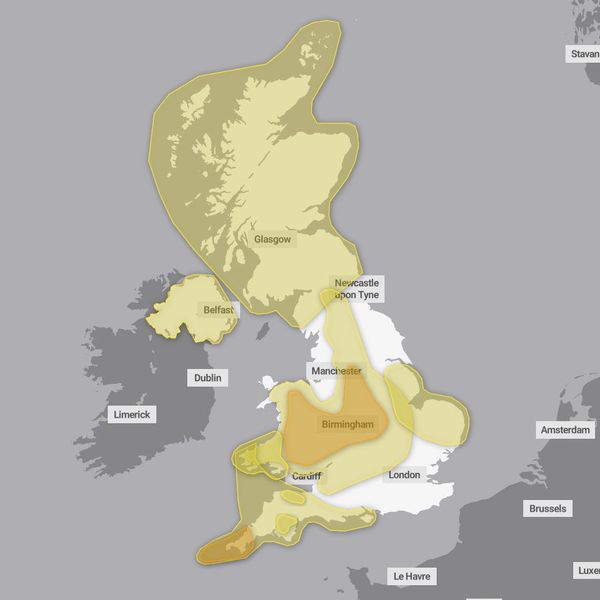
Storm Goretti is expected to bring severe winter weather to large parts of the UK, with amber warnings in place across several regions. Falling temperatures, heavy snow, and widespread ice raise risks to people, property, and travel. Preparing now helps reduce disruption and damage.

What to expect from Storm Goretti

Temperatures continue to fall across central and eastern England. Storm Goretti is forecast to bring heavy snow from Thursday night into Friday. Many amber warning areas may see 5 to 10cm of snowfall, with up to 20cm possible on higher ground.

The Met Office cautions about icy conditions on untreated roads, pavements, and cycle paths. Slips, falls, and vehicle accidents are more likely. Travel delays are anticipated across road and rail networks, with possible disruptions to public transport and power outages.

Overnight temperatures have already dropped below -10°C in some parts of the country. Prolonged cold weather increases the risk of frozen pipes, burst plumbing, roof leaks, and internal flooding. When thawing begins, water can spread rapidly through floors, walls, and ceilings if damage goes unnoticed.

Saturday is expected to remain cold but mainly dry, with wintry showers along the northern coasts. Milder air should arrive from Sunday. The UK Health Security Agency has extended amber cold health alerts across England until 11 January due to ongoing risks.

A weather warning map for 8 January. Pic: Met Office

A weather warning map for 8 January. Reference: Met Office

How to stay safe during Storm Goretti

Simple steps can help protect you and your property during harsh winter weather.

  • Avoid unnecessary travel during amber warnings. Check conditions before leaving and allow extra time.
  • Wear footwear with good grip to minimise the risk of slipping on ice.
  • Keep entrances, pathways, and steps clear. Use salt or grit where feasible.
  • Protect your pipes by insulating exposed sections and keeping the heating on at a low setting during freezing temperatures.
  • Know the location of your stopcock so you can turn off the water quickly if a pipe bursts.
  • Check roofs and gutters when it is safe. Snow accumulation and blocked drainage increase the risk of leaks during thawing.
  • Watch for signs of dampness indoors. Cold and moisture provide the perfect conditions for mould to grow.

How ServiceMaster Restore can help

ServiceMaster Restore supports homes and businesses affected by severe weather. Our teams specialise in flood damage restoration, water damage recovery, and mould removal and remediation. We respond quickly to prevent further damage, dry affected areas, and restore properties safely after storms, flood and water damage.

If Storm Goretti causes water ingress, burst pipes, or mould issues in your property, early action reduces repair time and cost.

ServiceMaster Restore is ready to help when winter weather takes its toll. Call us today on 0800 0213970.

Mould and mildew are often confused. Many people use the terms interchangeably, but they are not the same. Both are linked to moisture, yet they behave differently and cause different levels of damage. Understanding the difference between mould and mildew helps you deal with the issue early and protect your property.

Mildew usually appears first. It is more visible and often easier to remove. Mould is typically more severe and may indicate a deeper moisture problem.


What Is Mildew?

Mildew is a surface-level fungal growth. It usually appears as a thin, powdery layer and is often white, light grey, or pale yellow. You frequently see mildew on bathroom tiles, window frames, and kitchen walls where condensation accumulates.

Mildew grows in warm, damp areas with poor ventilation. Because it remains on the surface, it can often be removed with household products. If mildew keeps returning, it indicates that the room’s moisture levels are too high.


What Is Mould?

Mould is more aggressive than mildew. It is used in materials such as plaster, wood, carpets, and insulation. It often appears black, green, or dark brown and typically has a strong, musty odour.

Mould spreads quickly and can damage your property’s structure if left untreated. It often develops after leaks, flooding, or long-term condensation problems. When mould becomes visible, it may already be established behind walls or under flooring.


The Key Difference Between Mould and Mildew

Mildew stays on the surface and is usually light in colour.
Mould penetrates materials and is often dark and patchy.

Mildew is easier to remove with regular cleaning.
Mould often requires professional treatment.

Mildew suggests poor ventilation.
Mould typically indicates ongoing moisture or water damage.


Health Risks of Mould and Mildew

Mildew can irritate, particularly for people with allergies or asthma. Mould poses a greater risk. Long-term exposure to mould spores may cause respiratory issues, headaches, and skin irritation.

Children, older adults, and anyone with respiratory conditions are more vulnerable. If mould continues to spread or keeps returning, it should not be ignored.


How to Prevent Mould and Mildew

Good ventilation is essential. Open windows daily where possible. Use extractor fans in kitchens and bathrooms. Keep the heating consistent to prevent cold surfaces where moisture accumulates.

If your property has suffered a leak or flood, dry the area thoroughly and quickly. Moisture left behind creates the perfect conditions for mould growth.


When to Get Professional Help

If mould covers a large area, recurs, or is accompanied by musty odours or damaged surfaces, the issue is likely deeper than surface moisture. Cleaning alone will not solve the problem.

ServiceMaster Restore provides professional mould remediation and water damage restoration. Our teams identify the cause, treat affected areas, and help prevent further issues.

If you are concerned about mould or mildew in your property, call 0800 021 3970, or find your nearest ServiceMaster Restore business to see how we can help today.